Table of contents
Open Table of contents
A Quieter Education
For a long time, exercise was something I did, not something I understood.
I trained consistently, learned discipline, built strength - but the deeper lessons came quietly and much later. They didn’t arrive through progress charts or personal bests. They arrived in moments of resistance: days when motivation was absent, when effort felt heavy, when I had to decide whether to show up without any promise of reward.
Over time, exercise became a mirror. It showed me how I respond to discomfort, how I negotiate with myself, how I treat myself when progress is slow or invisible. I learned patience not as an idea, but as a bodily experience. I learned resilience not as bravado, but as the quiet willingness to return again and again.
What surprised me most was how much emotional intelligence was forged in these moments. Exercise taught me how to sit with frustration without escaping it, how to respect limits without resenting them, and how to apply effort without violence toward myself. These lessons didn’t stay in the gym. They followed me into the rest of my life.
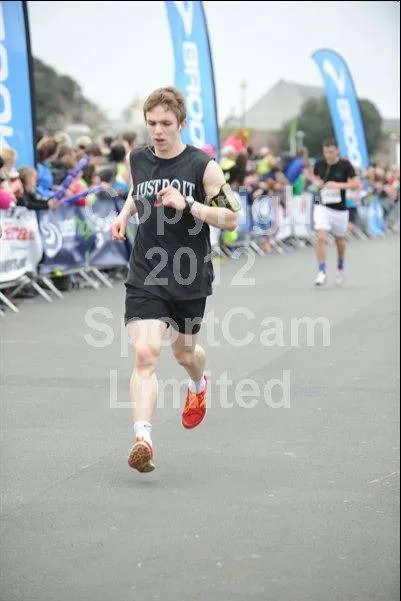
Me at the end of a Half-Marathon in 2012.
How we frame effort is how we frame life
How we approach exercise is rarely just about exercise.
It reflects how we relate to effort, discomfort, patience, and care. It reveals whether we meet challenge with curiosity or with self‑criticism. Whether we treat difficulty as something to escape or something to engage with honestly.
In this sense, exercise becomes a rehearsal for life itself.
Every session asks small but meaningful questions: Can I stay present when things become uncomfortable? Can I apply effort without demanding perfection? Can I listen to my body rather than override it? The answers we practice here quietly shape how we move through work, relationships, and uncertainty.
As Marcus Aurelius wrote:
The impediment to action advances action. What stands in the way becomes the way.
Exercise gives us a safe and repeatable place to learn this truth - not intellectually, but physically.
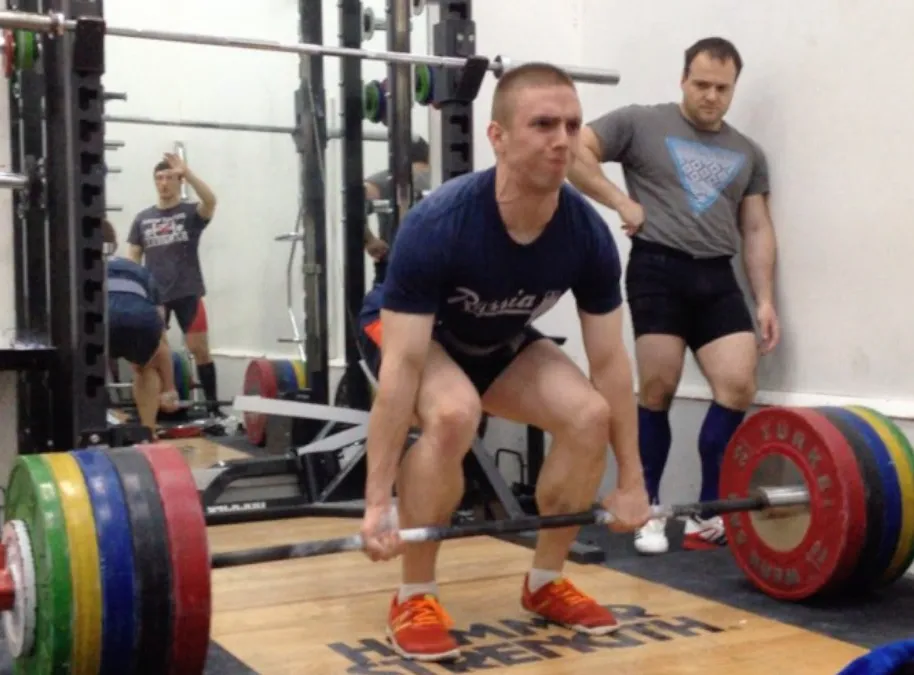
My first mock Powerlifting meet at University.
Beyond productivity and optimisation
Much of modern fitness culture is built around optimisation: more efficiency, more output, better results. While there is nothing inherently wrong with improvement, this lens can narrow our experience. It risks reducing the body to a project and effort to a debt that must pay off.
When that happens, exercise loses something essential.
It stops being a conversation and becomes a command. It stops being responsive and becomes rigid. And over time, many people burn out - not because movement is harmful, but because their relationship with it has become adversarial.
Reframing exercise does not mean abandoning structure or ambition. It means allowing space for responsiveness, curiosity, and self‑respect. It means recognising that showing up with care is already a meaningful outcome.
Relating to the Body, Not Controlling It
Seen this way, exercise is not primarily about changing the body. It is about relating to it.
It is a practice in honesty: noticing energy levels without judgment. A practice in humility: accepting limits without shame. A practice in willpower that is calm rather than forceful.
This relationship extends outward. When we learn to work with ourselves physically, we often begin to do the same emotionally. We become more patient with slow progress, more forgiving of inconsistency, and more resilient in the face of difficulty.
A Chinese proverb captures this gently:
A man grows most tired while standing still.
Movement, approached with the right lens, is not depletion - it is participation.
 |  |
|---|
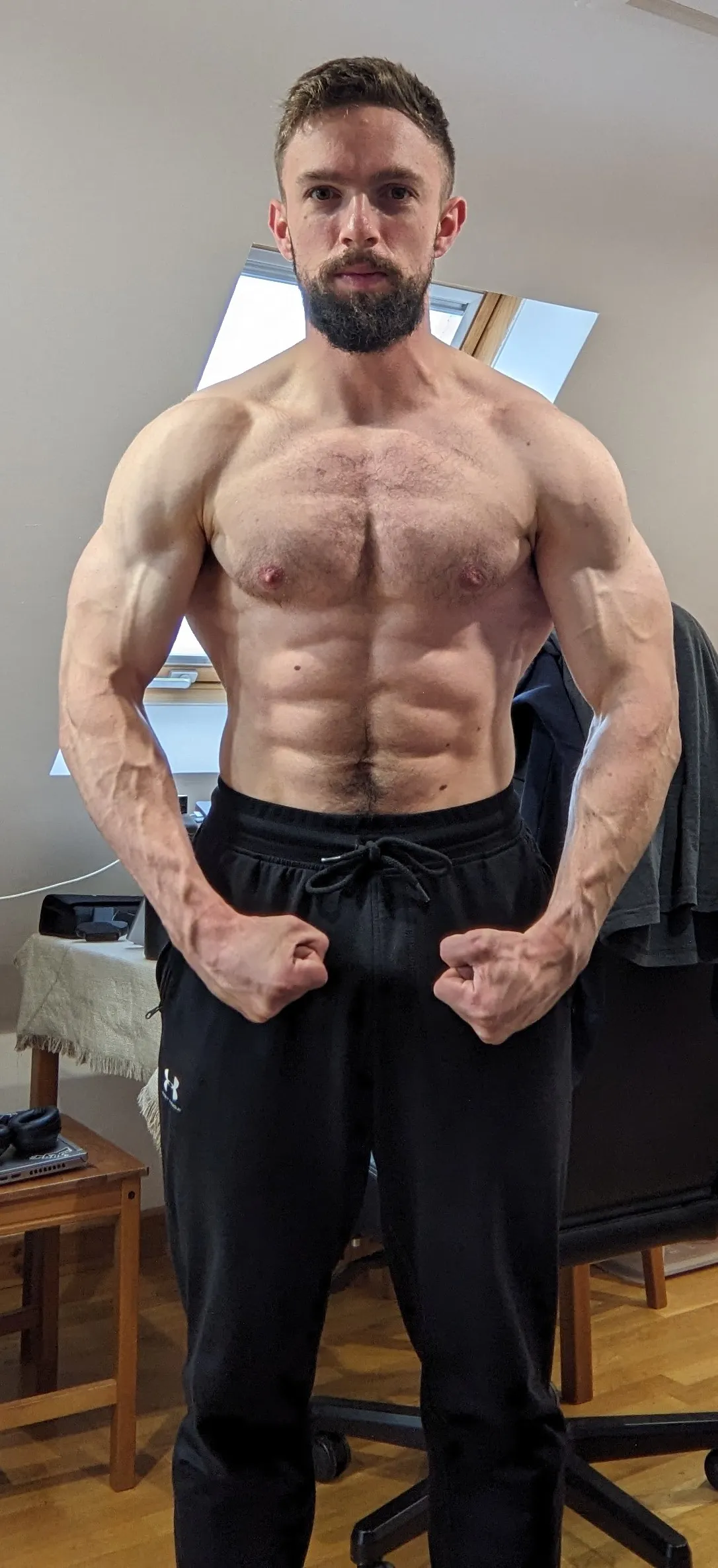
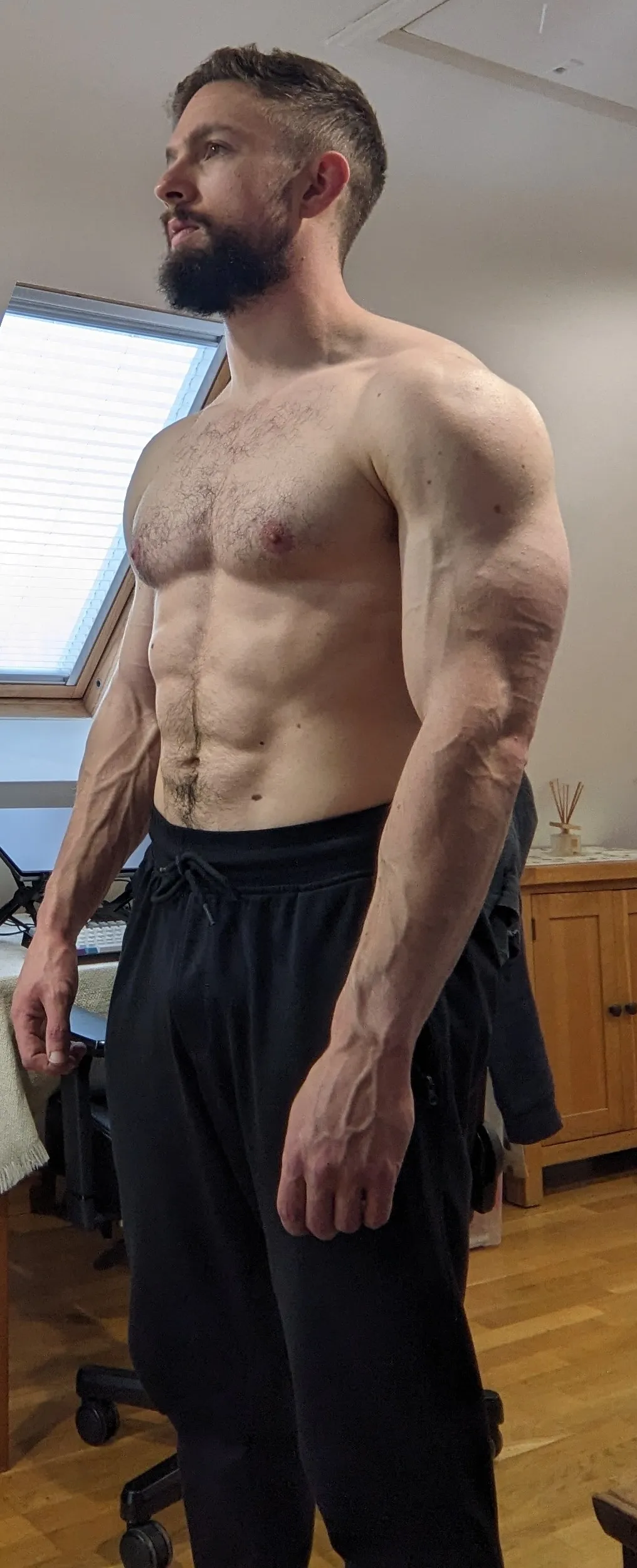
Physique photos from early 2025.
A celebration of being alive
At its best, exercise is not something we endure in order to earn rest or worthiness later. It is something we participate in as a quiet acknowledgement of being alive.
Breath deepens. Attention sharpens. The body reminds us that it is capable, responsive, and adaptive. Even on hard days, movement can reconnect us with a sense of agency - not control, but presence.
When exercise stops being a punishment and becomes a dialogue, its character changes. It becomes less about fixing ourselves and more about meeting ourselves honestly. Less about pressure, more about gratitude.
In that sense, exercise is a celebration - not of achievement, but of living. A reminder that effort can be caring, that discipline can be gentle, and that growth does not require self‑rejection.
If we allow it, exercise can teach us how to move through life with the same qualities: patience, resilience, curiosity, and respect.
That, to me, is the deeper practice.